
When it rains in Iceland, it RAINS. We found this the hard way and also got a taste of the famous Iceland wind during our visit to the peninsula.
Located about 120 to 150 kilometers from Reykjavík, the Snæfellsnes Peninsula is often called “Iceland in Miniature” because it distills the country’s vast geological diversity into a single, accessible 90-kilometer stretch. Historically, the region is anchored by the Snæfellsjökull glacier-capped volcano, which famously served as the gateway to the underworld in Jules Verne’s Journey to the Center of the Earth. Architecturally, the peninsula is punctuated by striking contrasts, from the iconic black-painted wooden Búðakirkja church standing solitary in a lava field to the arrowhead profile of Kirkjufell, arguably the most photographed mountain in Iceland. Between these landmarks, the rugged coastline is dotted with traditional fishing villages like Arnarstapi, where simple, functional Nordic structures cling to dramatic basalt cliffs and sea arches.
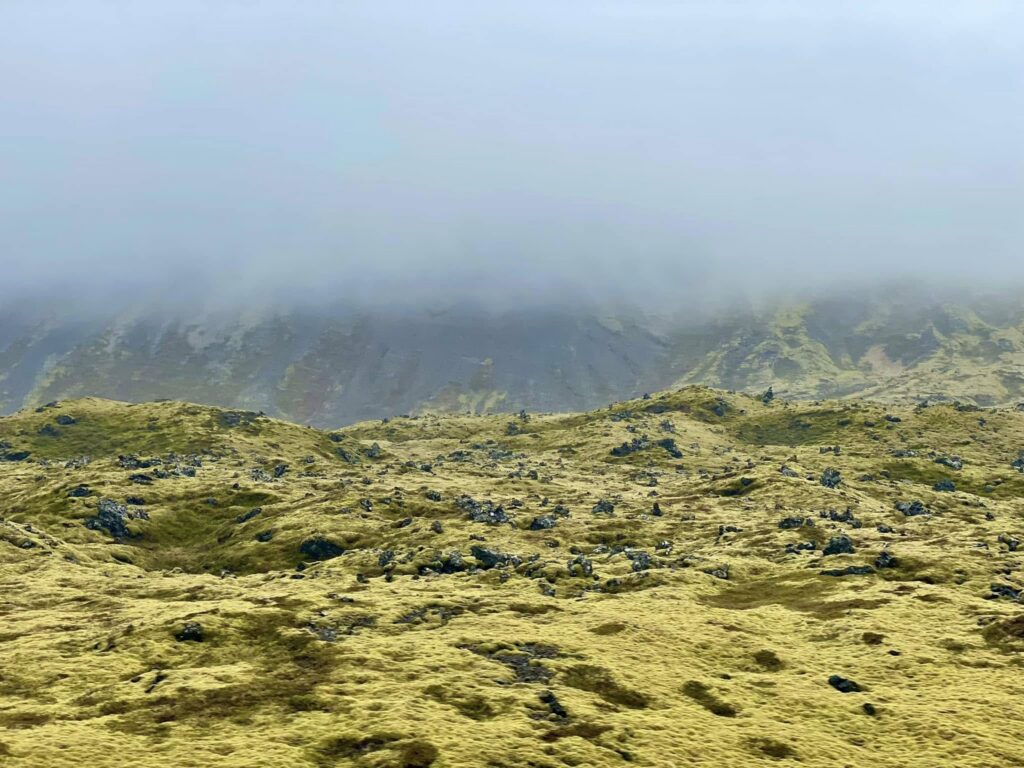
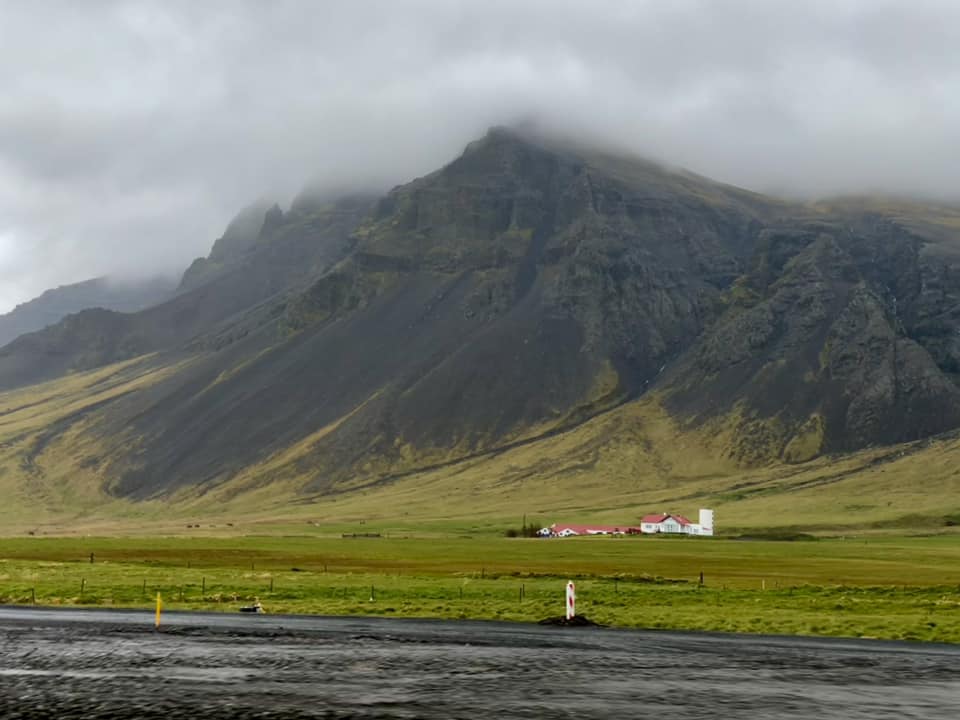
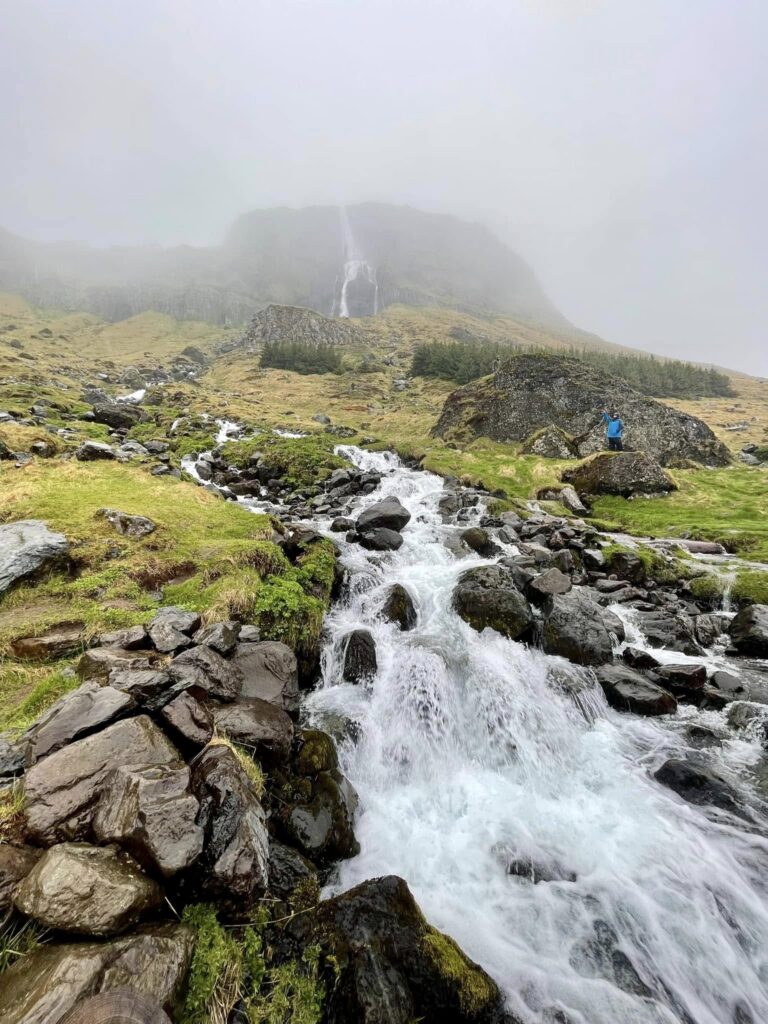
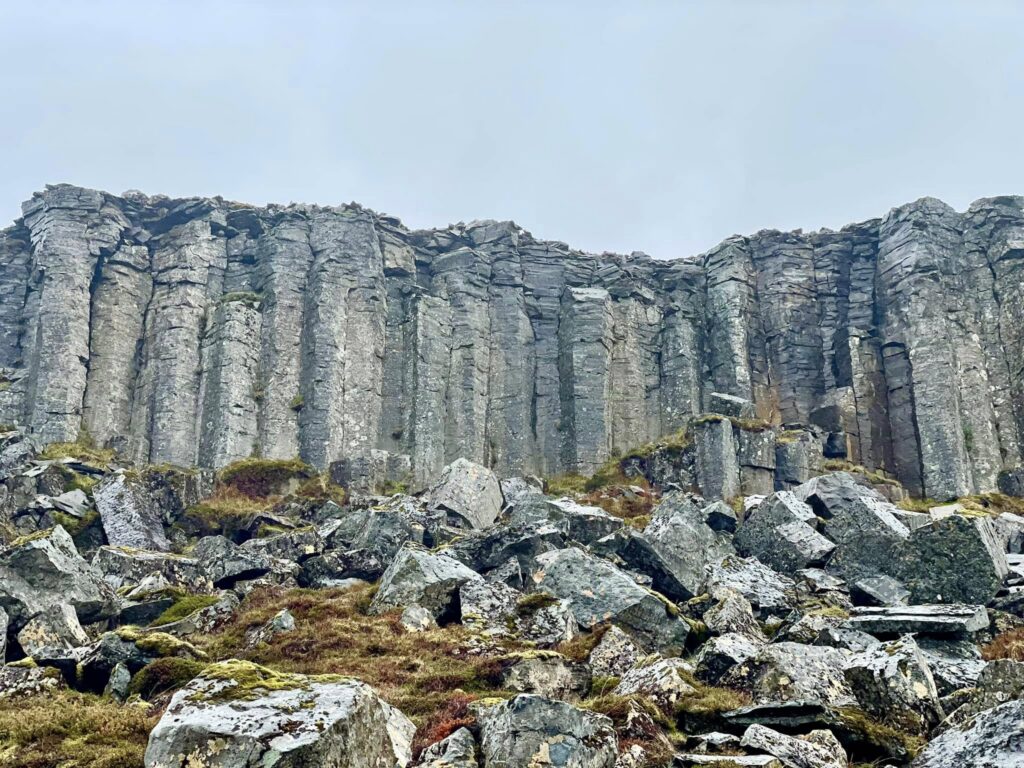
First on our stop were the First on our stop were the Gerðuberg Cliffs which are a massive wall of geometric basalt columns that look so perfectly symmetrical they are often mistaken for a man-made fortress. Located on the southern edge of the Snæfellsnes Peninsula, these cliffs were formed thousands of years ago when a river of basaltic lava cooled rapidly and evenly, causing the rock to contract into hundreds of vertical, hexagonal pillars. which are a massive wall of geometric basalt columns that look so perfectly symmetrical they are often mistaken for a man-made fortress. Located on the southern edge of the Snæfellsnes Peninsula, these cliffs were formed thousands of years ago when a river of basaltic lava cooled rapidly and evenly, causing the rock to contract into hundreds of vertical, hexagonal pillars.
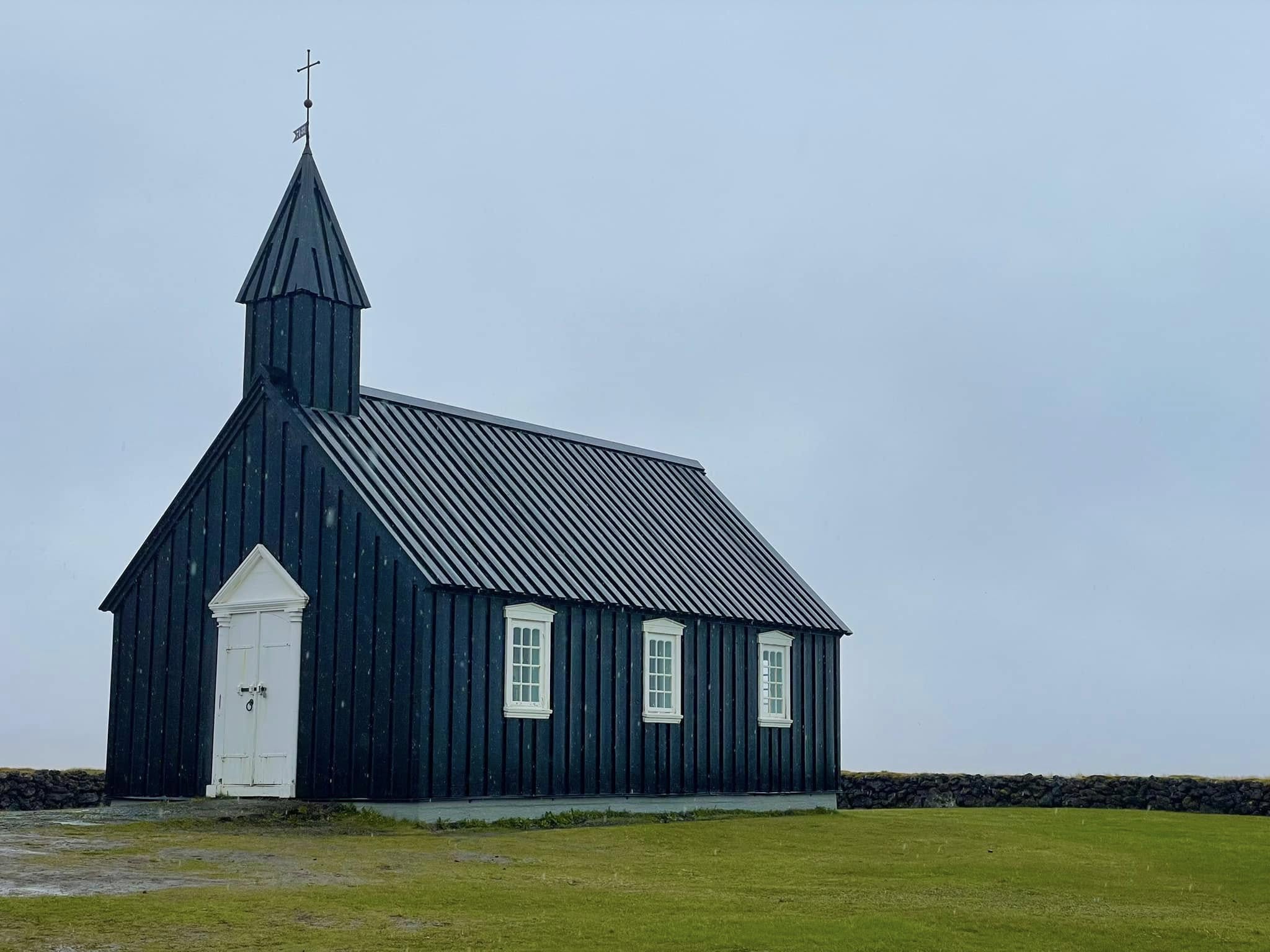
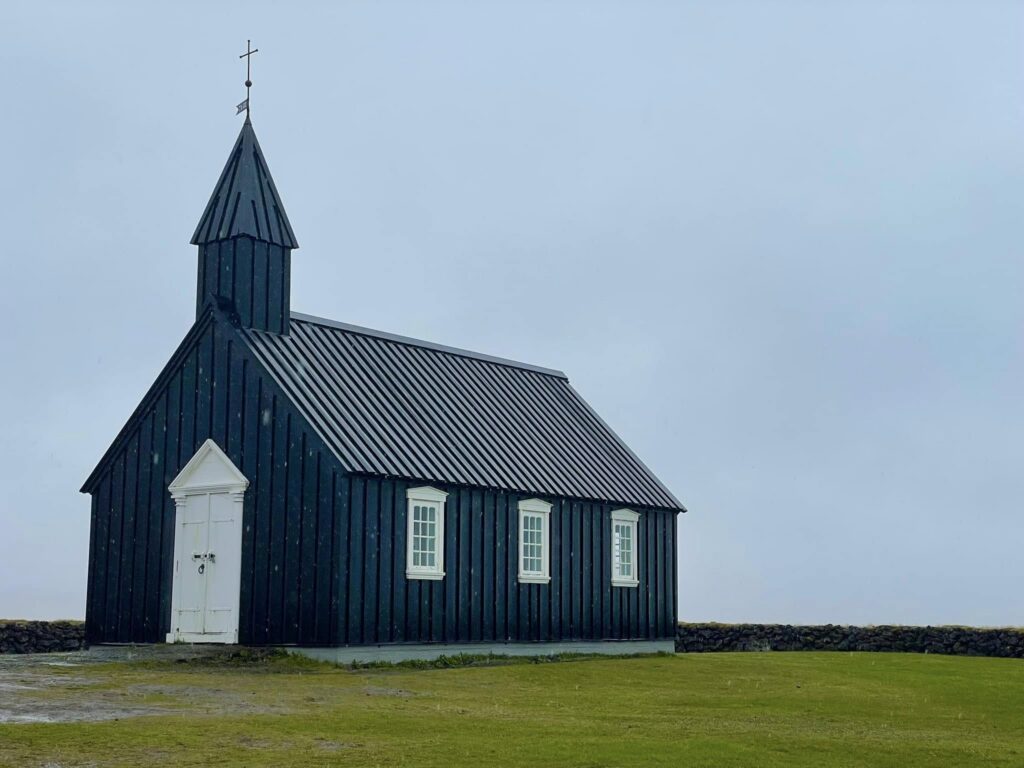
Post that we continued driving to our next stop which was the iconic Búðakirkja, the famous black wooden church that stands as a stark, minimalist landmark against the Snæfellsnes lava fields. Historically, the original church on this site was built in 1703, but it was later deconstructed and eventually rebuilt in 1848 after a long battle for permission from the Danish king. Its architectural style is a perfect example of the “black church” tradition in Iceland, where the timber is coated in pitch (tar) to protect the wood from the relentless Atlantic salt and rain
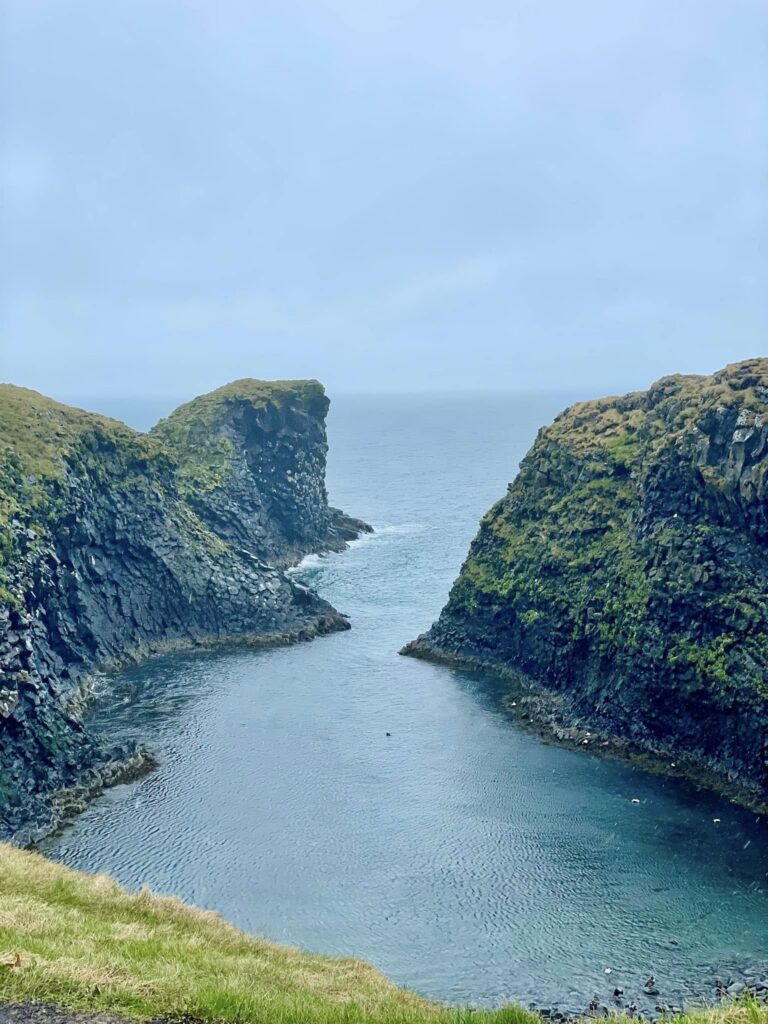
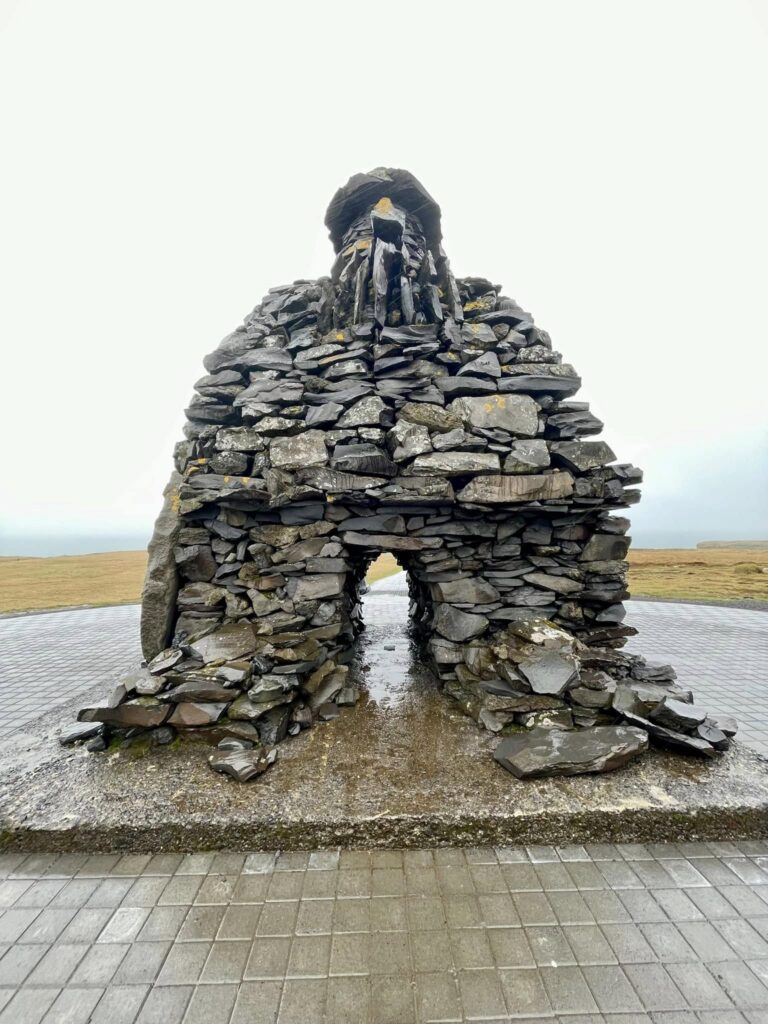
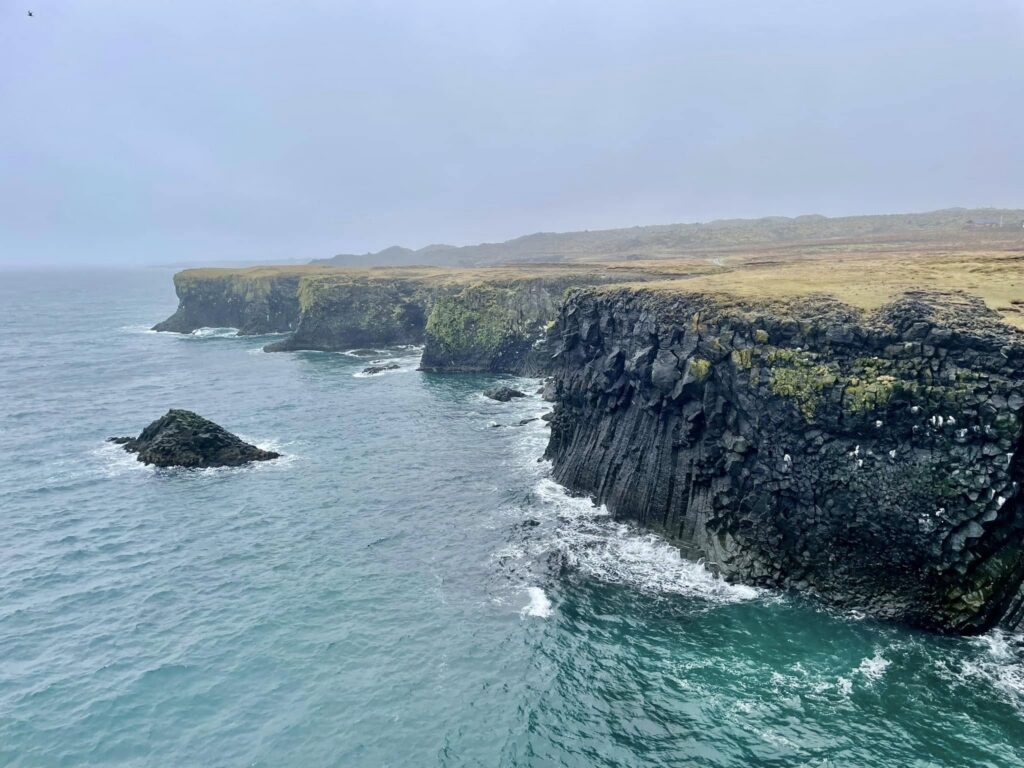
Post that we drove to the Arnarstapi, which is a storied fishing village on the southern edge of the Snæfellsnes Peninsula, historically serving as a vital commercial port under the Danish Crown in the 18th century. Architecturally, the village is a mix of small, traditional Nordic houses and the remains of old turf-roofed dwellings, all set against a dramatic backdrop of columnar basalt and jagged sea cliffs
We then grabbed a quick lunch and then since the rain was just still absolutely pouring, we gave up and decided to drive back to our hotel and rest and hope for a better day for our trip to the golden circle
 Elizabeth Soule