
We flew down to Iceland for a one week trip and our first stop was Reykjavik. After picking up our car from the airport and picking up a quick snack from a bakery on the way to the city, we checked into our hotel and started exploring
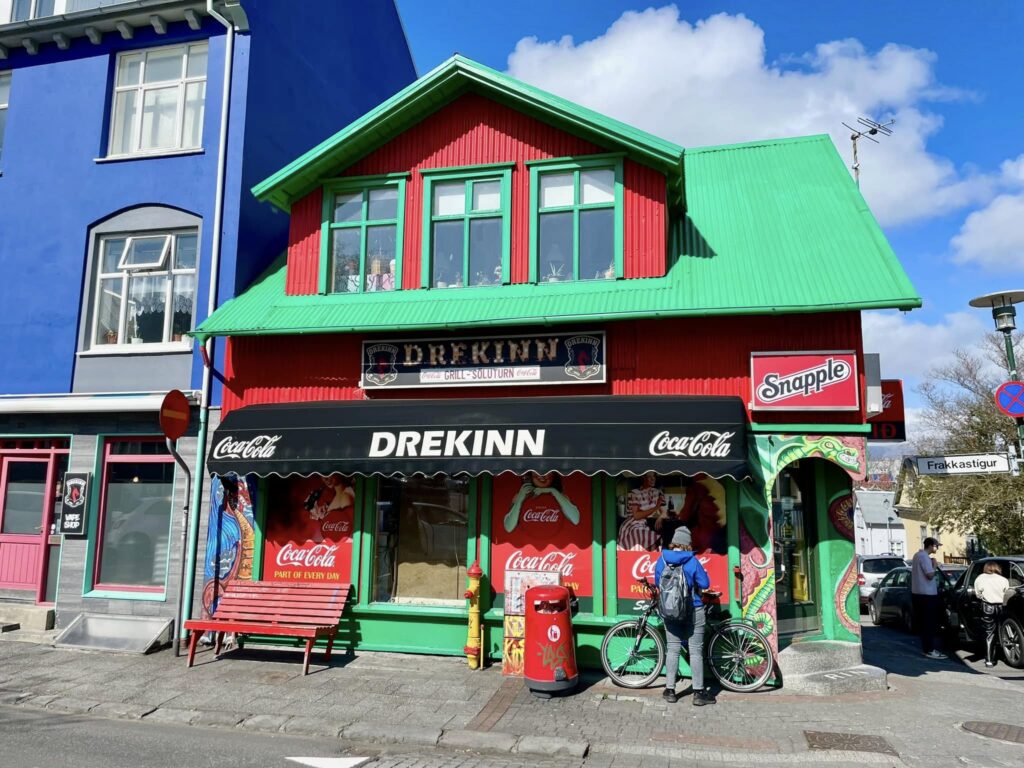
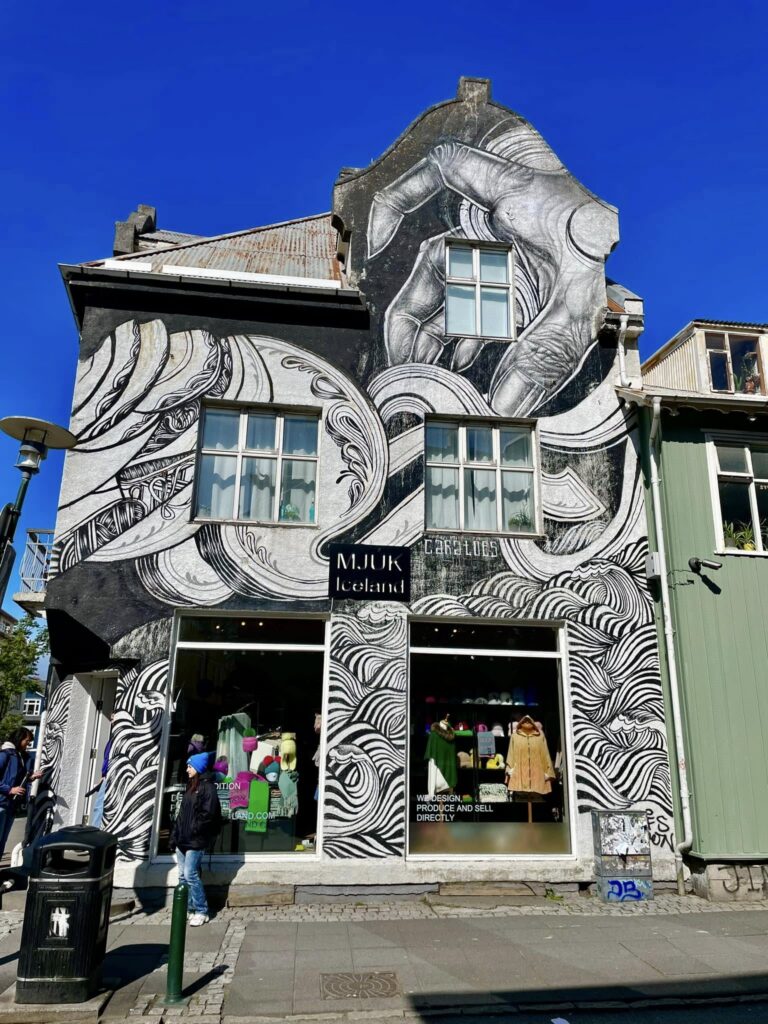
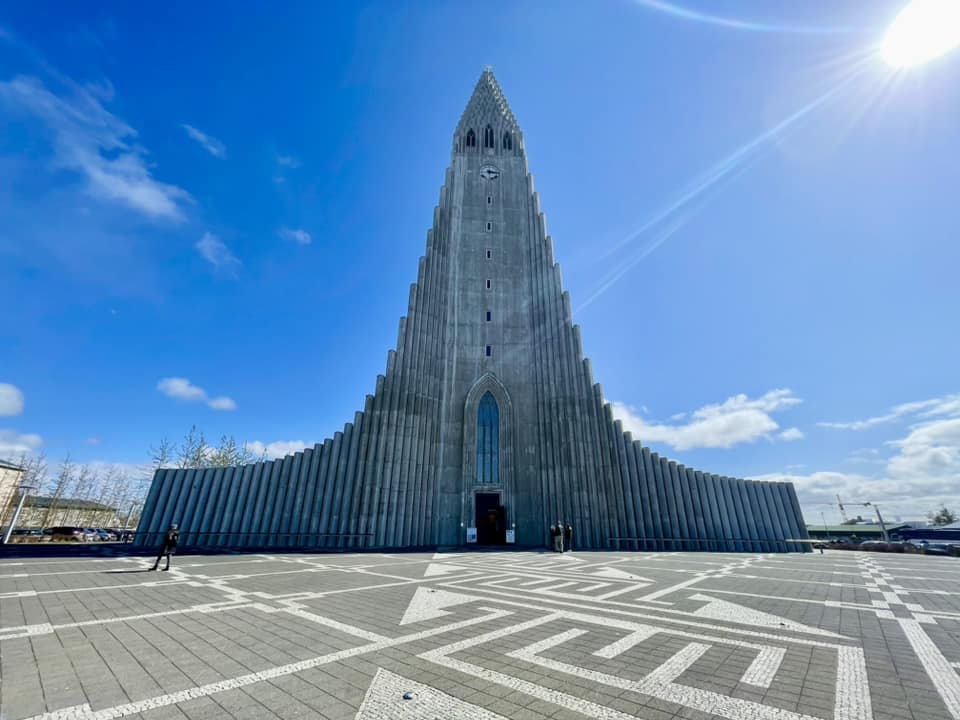
Founded in 874 AD by Ingólfur Arnarson, Reykjavík began as the first permanent Norse settlement in Iceland and remained a small farming village for centuries before evolving into a modern capital through the influence of Danish trade and 18th-century industrialization. The city’s architectural identity is a striking blend of survivalist utility and Nordic modernism, most famously characterized by corrugated iron-clad houses—a late 19th-century solution to Iceland’s lack of native timber and the harsh Atlantic weather—which were often painted in vibrant, contrasting colors. This traditional aesthetic now sits alongside iconic 20th-century landmarks like the Hallgrímskirkja, whose stepped-concrete facade was designed by Guðjón Samúelsson to mimic the basalt lava flows of the Icelandic landscape, creating a cityscape that feels both deeply connected to its volcanic geology and distinctively avant-garde.
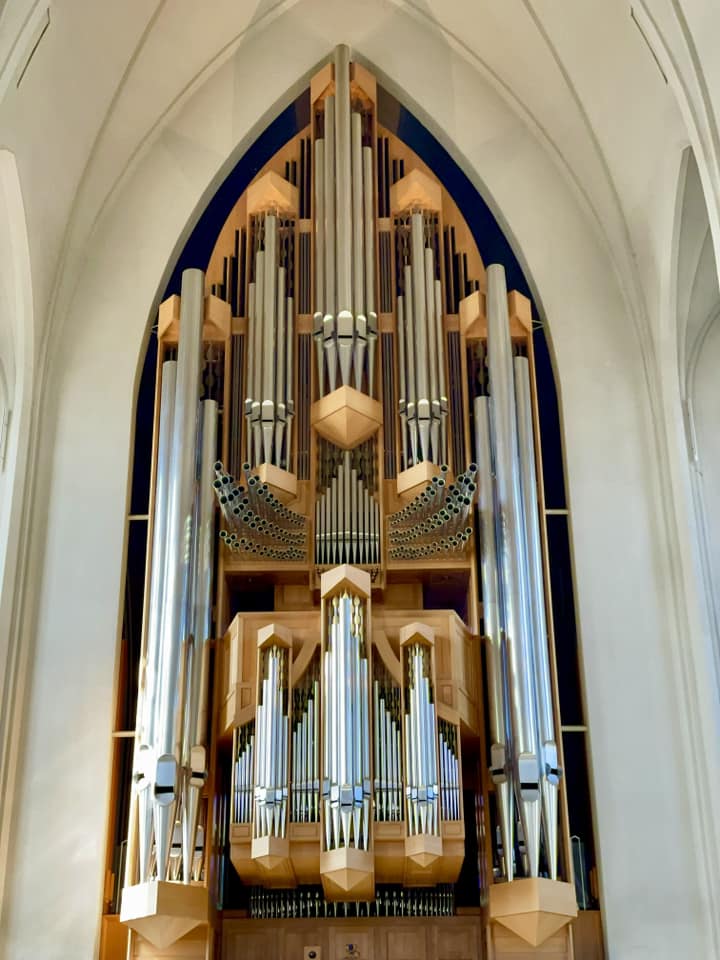
We also visited the Hallgrimskirkja , a massive Lutheran parish church that dominates the city skyline.Commissioned in 1937 and designed by State Architect Guðjón Samúelsson, the church is a masterpiece of Expressionist architecture, explicitly crafted to evoke Iceland’s rugged natural landscape, including its mountains, glaciers, and iconic hexagonal basalt columns like those at the Svartifoss waterfall. While construction was a monumental 41-year undertaking—beginning in 1945 and finally concluding in 1986—the result is a soaring, 74.5-meter concrete structure that houses a massive 5,275-pipe organ and serves as a national sanctuary, blending minimalist Nordic design with a powerful geological aesthetic.
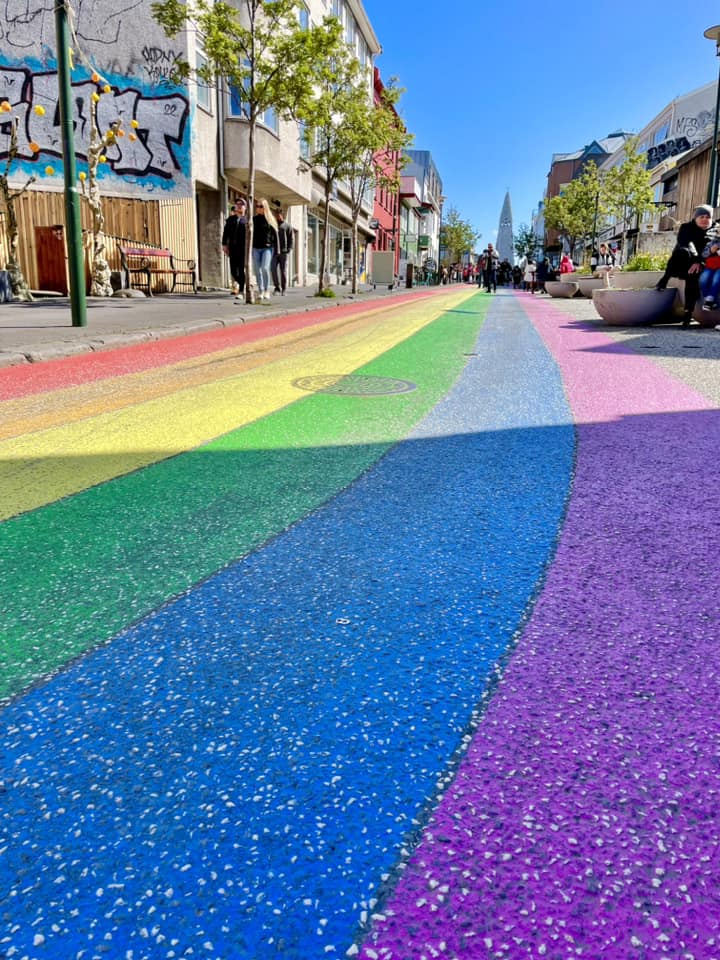
Post that we also visited the famous “Rainbow Street” which is a vibrant pedestrian stretch of Skólavörðustígur, one of the most famous and historic streets in downtown Reykjavík. Originally a temporary installation for the 1999 Pride festival, the rainbow was made a permanent fixture in 2015 as a powerful symbol of Iceland’s commitment to inclusivity, diversity, and LGBTQ+ rights. Architecturally, the street acts as a grand visual corridor, leading the eye from the bustling Laugavegur shopping district directly up the hill to the towering Hallgrimskirkja .
Shortly after that we returned to the hotel to catch up with some much needed sleep and get ready for our trip the next day to the Snaefellsnes peninsula
 Elizabeth Soule